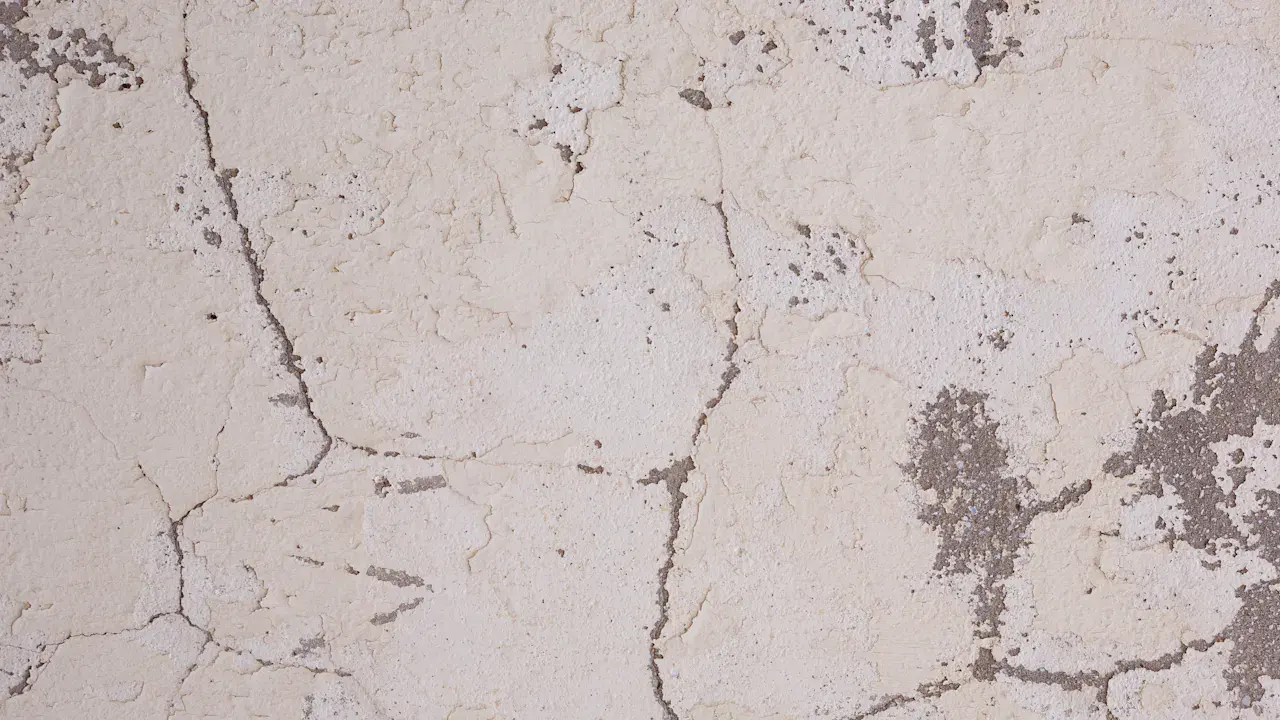
Foundation Crack Repair in Seattle
Not every crack is an emergency — but some are. We tell you straight which cracks are cosmetic and which are structural, then seal and reinforce them for good.
Which cracks actually matter
Most homes get foundation cracks, and many are harmless shrinkage. The ones that matter are the structural ones: horizontal cracks, widening stair-step cracks, and any crack that leaks water or keeps growing. In Seattle, soil movement and water pressure are the usual culprits behind the serious ones.
The fix depends on the crack. A leaking but stable crack needs sealing against water; a structural crack needs reinforcement so it can't keep opening. We diagnose which you have — and we won't upsell you a structural repair for a cosmetic crack.
Cracks worth worrying about
If a crack looks like one of these, don't wait on a free inspection.
Horizontal cracks
A horizontal crack in a foundation wall can signal serious pressure — the most concerning type.
Stair-step cracks
Diagonal cracks following the mortar joints in block or brick, especially if widening.
Widening over time
Any crack that's visibly growing means the movement hasn't stopped.
Leaking cracks
Cracks that weep or let water in are both a structural and a moisture problem.
Wide cracks
Cracks wider than about an eighth of an inch deserve a professional look.
Cracks with offset
One side of the crack sitting higher or further out than the other.
How we repair foundation cracks
The right method for the crack — sealing, structural reinforcement, or both.
Epoxy Injection
High-strength epoxy that structurally re-bonds a stable crack from the inside out.
Polyurethane Injection
Flexible, waterproof injection that seals actively leaking cracks against water.
Carbon-Fiber Reinforcement
Carbon-fiber straps that lock a bowing or cracked wall and stop further movement.
Cove-Joint Sealing
Sealing the wall-to-floor joint where so much basement water actually enters.
Structural Evaluation
An honest read on whether a crack is cosmetic or structural — before any work.
Drainage Correction
Fixing the outside water pressure that's driving the cracking in the first place.
How to read your foundation cracks
Most foundation cracks fall into a few patterns, and the pattern tells you a lot. Thin, vertical hairline cracks are usually harmless shrinkage from the concrete curing. Diagonal cracks running from the corners of windows, doors, or the foundation are more often a sign of settling and worth a closer look. The pattern that demands attention is a horizontal crack across a wall — it can mean the wall is under pressure from the soil outside.
Width and behavior matter too. A crack wider than about an eighth of an inch, one where the two sides are offset, or any crack that leaks water or keeps growing should be inspected. The good news is that reading cracks is exactly what we do at no cost — and we will tell you honestly whether yours is cosmetic or structural, rather than selling you a repair you do not need.
Crack triage: cause, urgency, and the fix
Use this to tell a cosmetic crack from one that needs attention. When in doubt, a free inspection settles it for certain.
| What you see | Likely cause | How urgent | Typical fix |
|---|---|---|---|
| Thin vertical hairline crack | Normal concrete shrinkage as it cured | Cosmetic — monitor | Seal only if it lets water in |
| Diagonal crack from a window or door corner | Settlement pulling the corner | Have it checked | Injection, plus fixing the settlement |
| Stair-step crack in block or brick | Differential settlement | Check soon | Injection, plus piering if it is still moving |
| Horizontal crack across the wall | Soil or water pressure pushing the wall inward | Urgent — call | Carbon-fiber or wall anchors, plus drainage |
| Crack wider than ~1/8 inch, or offset sides | Active structural movement | Urgent — call | Structural evaluation and reinforcement |
| A crack that leaks water | Water finding a path through | Address soon | Polyurethane injection, plus exterior drainage |
From first call to fixed — four simple steps
Free Inspection
We come out, assess the problem, and give you a straight answer in writing — usually within 24–48 hours.
Custom Plan
A fixed, written quote with the scope, timeline, and financing options spelled out. No vague ballparks.
We Do the Work
Licensed crews work clean and on schedule, protecting your home and property throughout.
Warranty
We walk the finished job with you and back the repair with a written, transferable warranty.
Get your free inspection
Tell us what you're dealing with and we'll schedule a no-pressure visit — usually within 24–48 hours. A real diagnosis and a written price, not a sales pitch.
- A licensed inspector who finds the source, not just the symptom
- Photos and a clear explanation of what's happening
- A firm written quote — and financing if you want it
Request received!
We'll call within one business day to schedule your free, no-obligation inspection.
What does foundation crack repair cost in Seattle?
A single crack injection is one of the more affordable foundation repairs, often a few hundred dollars. Structural fixes — carbon-fiber reinforcement for a bowing wall, or addressing the soil and water pressure behind a serious crack — cost more, because they solve the cause and not just the symptom.
Your free inspection gives you a firm written price, and we will be straight about whether a crack truly needs structural work or simply sealing.
Foundation Crack Repair, answered
Horizontal cracks, widening stair-step cracks, cracks with offset (one side shifted), and any crack that leaks. Thin vertical hairline cracks are usually cosmetic shrinkage. When in doubt, get it looked at.
Epoxy is rigid and structural, re-bonding a stable crack. Polyurethane stays flexible and is best for sealing active leaks. Some cracks need both. We choose based on whether the crack is structural, leaking, or both.
Single-crack injections are among the more affordable foundation repairs; structural reinforcement costs more. Your free inspection gives you a firm written price.
Not if we address the cause. Sealing or reinforcing the crack handles the symptom; correcting the soil or water pressure behind it is what keeps it from returning.
Often, yes. Thin vertical hairline cracks are usually harmless shrinkage as concrete cures. It is the horizontal, widening, offset, or leaking cracks that warrant a professional look. A free inspection settles it quickly.
A DIY sealer might stop a little water briefly, but it does not address why the crack formed or whether it is structural. If a crack is leaking, growing, or horizontal, it is worth having it properly diagnosed.
Worried about a crack? Get a straight answer, free.
No cost, no obligation, no pressure — just a straight answer about your home, usually within 24–48 hours.